
Signs the windows may be the issue
Noticeable draughts around opening sashes or frames
Failed sealed units or misting between panes
Cold internal glass and poor-fitting older frames
Heavy traffic noise entering through the window area
Signs the conservatory roof may be the issue
The room becomes very cold soon after heating is turned off
Older polycarbonate or basic glass roof construction
Too hot in strong sunshine but difficult to heat in winter
Roof noise, leaks or visible deterioration
Signs you need a wider assessment
Cold floors, walls or the junction with the original house
Condensation connected with humidity or limited ventilation
Heating that is undersized or poorly controlled
Several weak elements rather than one obvious source
Start with the symptom, not the product
A colder room does not automatically mean every window needs replacing. The cause might be failed seals, uncontrolled ventilation, an older roof, an uninsulated wall or floor, or the way the space connects to the house. A survey should identify the weakest elements before recommending work.
When replacement windows are likely to help
Modern, correctly specified replacement windows can reduce heat loss through the glazing and frame, improve airtightness and make the internal surface feel less cold. The result depends on the windows being removed, the new frame material, glass specification, size, opening configuration and installation detail.
Look beyond the glass alone. The quoted U-value or Window Energy Rating should describe the complete supplied window, not simply the centre pane. Larger windows, decorative bars, dummy sashes, mullions, cills and extenders can change whole-product performance.
When a replacement conservatory roof may have more impact
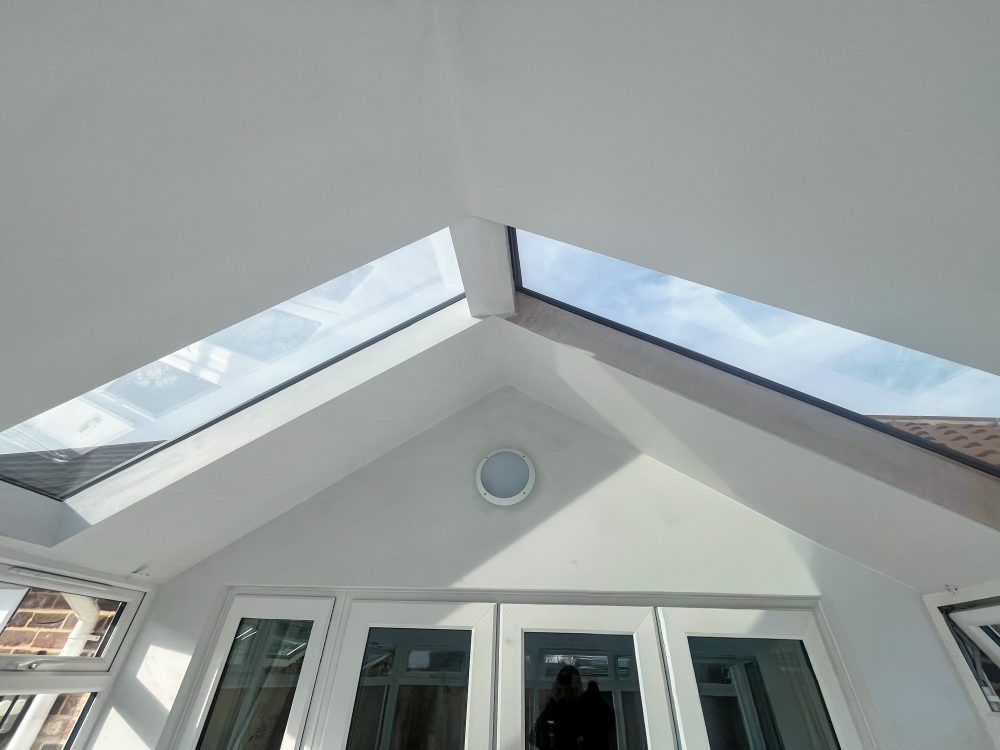
If the rest of the conservatory is sound but the room is uncomfortable throughout the year, the roof can be the most important part to investigate. Insulated tiled or hybrid systems may improve winter comfort and reduce summer solar gain compared with an older lightweight roof, provided the existing structure is suitable.
| Option | Best suited to | Points to check |
|---|---|---|
| High-performance glass roof | Homeowners wanting maximum daylight and a brighter conservatory | Glass specification, orientation, ventilation and solar control |
| LivinRoof hybrid roof | A balance of insulated solid areas and selected glazed panels | Panel layout, internal pelmet and existing frames |
| Ultraroof or Supalite tiled roof | Homeowners prioritising a more room-like interior and stronger insulation | Structural survey, Building Regulations, ventilation and rooflights |
Condensation does not always mean the window has failed
Moisture on the room-side surface can be caused by indoor humidity meeting a cold surface. Improving insulation may help, but ventilation and moisture production still matter. Misting trapped between the panes is different and usually indicates that the sealed glass unit has failed.
Will new windows or a roof definitely lower the bill?
No responsible installer can promise a universal saving. An upgrade can reduce heat loss, but the financial result depends on the existing construction, property size, heating system, thermostat settings, tariff and how the room is used. Comfort, draught reduction, appearance, noise and security may be equally important reasons to proceed.
A useful survey should answer three questions
Where is comfort being lost? Which improvement addresses that weakness? What specification and approval route are needed for this particular property?
Advice for Essex homes
Spectrum Glazing surveys replacement-window and conservatory-roof projects across Brightlingsea, Colchester, Clacton-on-Sea, Wivenhoe, Maldon, Witham, Braintree, Chelmsford and surrounding Essex areas. We can compare options rather than assuming the most expensive product is automatically the right answer.