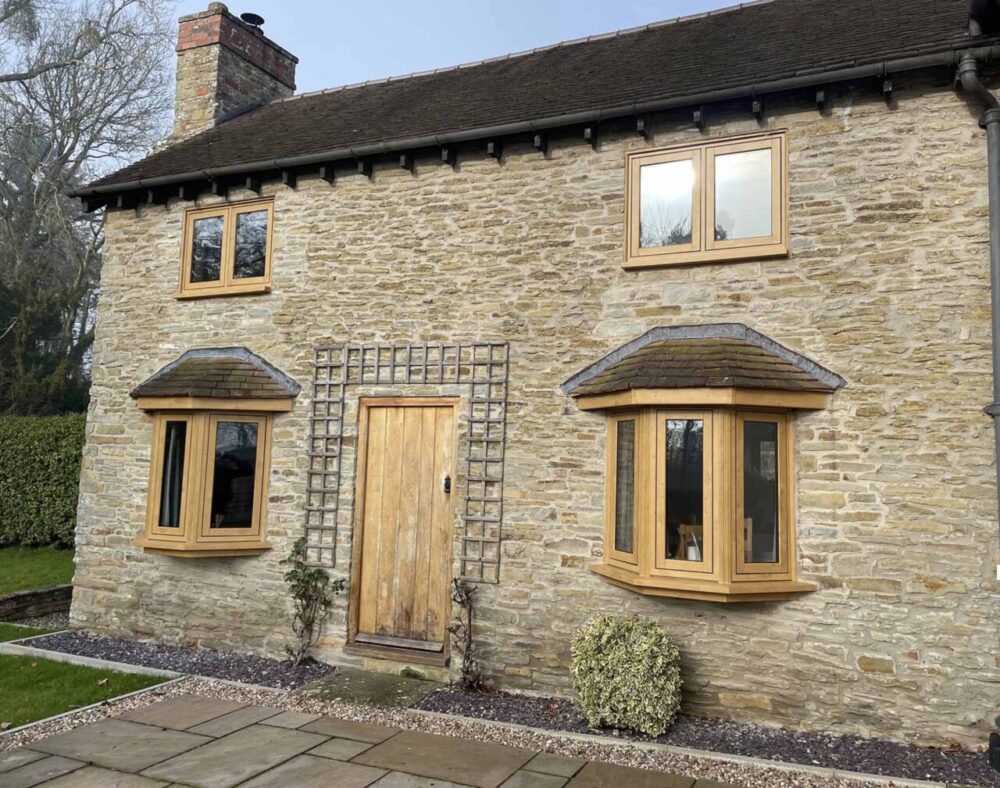
Replacing your windows is one of the most effective ways to improve your home’s comfort, energy efficiency, and appearance.
The good news is:
Most homeowners don’t need planning permission
However, there are a few situations where it’s worth checking first—especially in conservation areas or newer developments.
In most cases:
No
If you live in a typical house, you usually won’t need planning permission if:
This falls under permitted development rights.

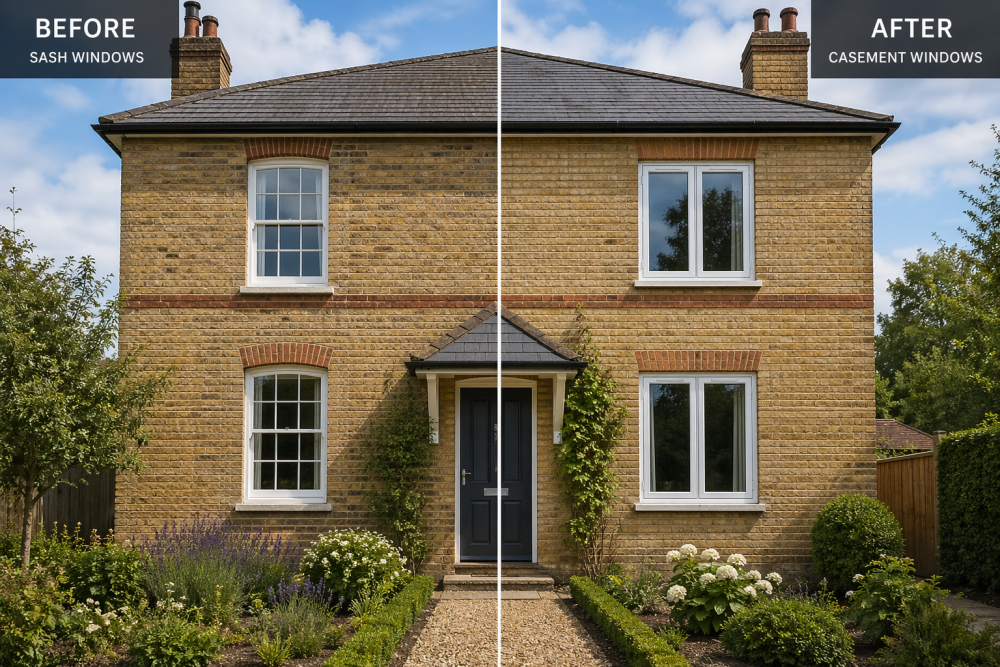
You can normally upgrade to:
👉 Learn more in our full guide to double-glazing
See options in our windows guide

Flats don’t usually have permitted development rights.
Some newer homes have restrictions—covered later in this guide.
This is the most common situation where extra care is needed (explained below).
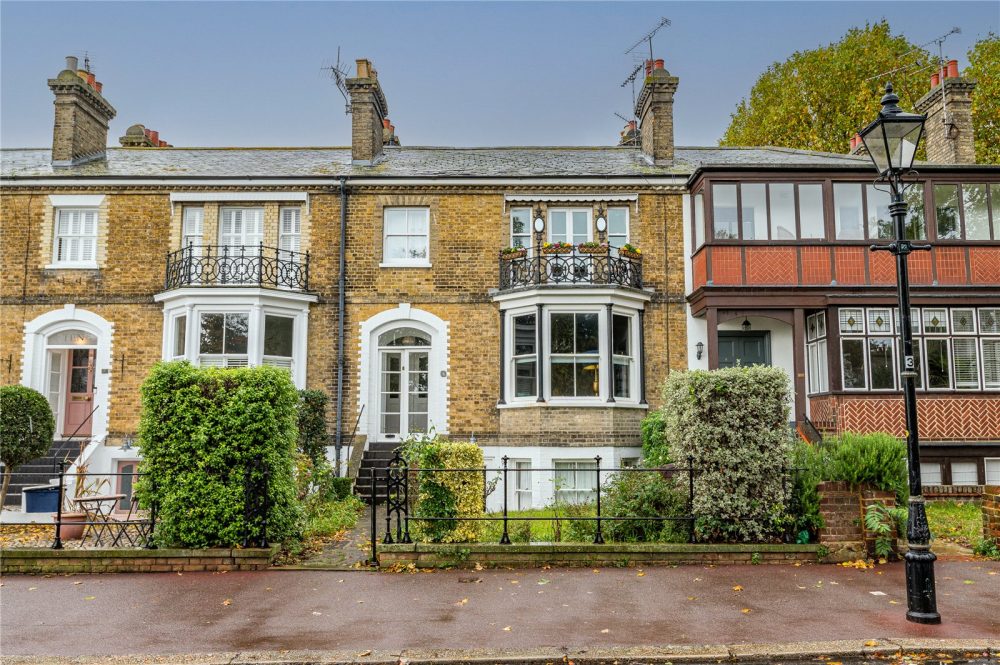
A conservation area is a location with special historic or architectural value.
👉 This doesn’t stop you upgrading windows
👉 It just means changes should suit the property
Ways to check:
1. Online (fastest)
Visit your local District Council website and look for:
⸻
2. Contact the planning team
A quick call or email will confirm:
⸻
3. Property documents
For homes in Brightlingsea, Dedham, or St Osyth:
👉 Contact
Tendring District Council
An Article 4 Direction removes your automatic permitted development rights.
You may need permission even for small changes like replacing windows.
Where it usually applies:
You can still replace windows—you just may need approval first.
Many newer homes have restrictions written into their planning approval.
This can mean:
⸻
Why this exists:
To maintain a consistent look across the development.

⸻
What to do:
Standard homes:
Conservation areas:
You may need to:
For example, see our
sliding-sash-windows
💡 Modern solutions:
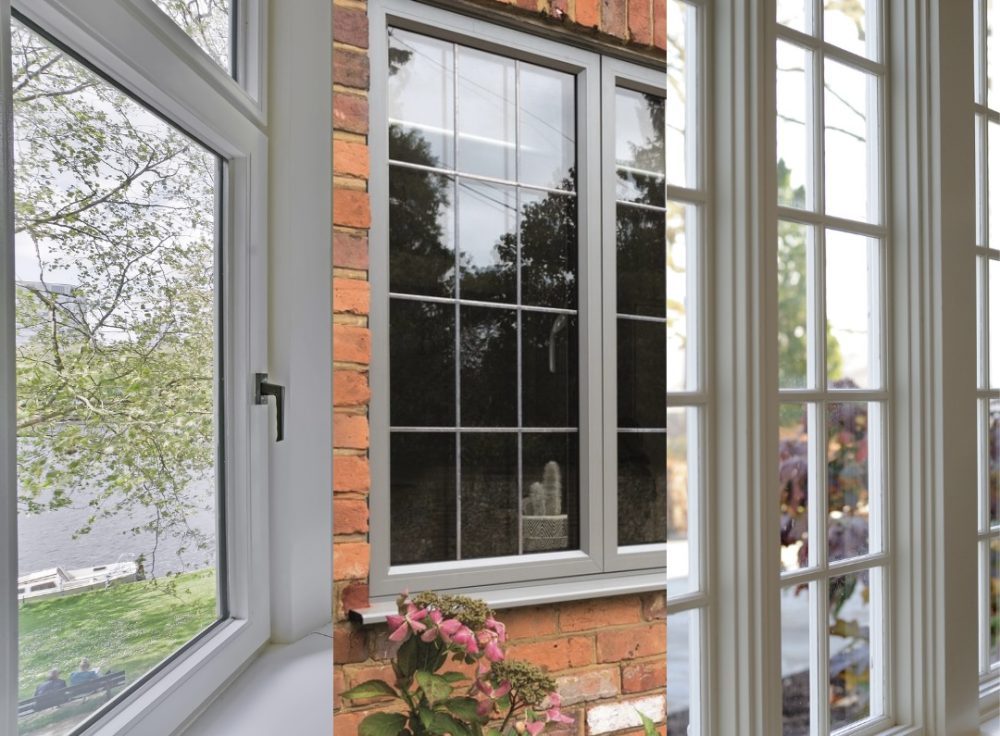
Planning permission:
⸻
Building regulations:

⸻
Who Is Responsible?
The homeowner is responsible
But:
⸻
What Happens If Permission Is Needed?
In most cases:
It’s simply a case of applying before work starts
Councils are generally:
In most cases, replacing windows is straightforward—but if permission was required and not obtained, the council may need to step in.
Most situations are resolved simply by:
It’s rarely as serious as people think—especially if the changes are in keeping with the property.
🔍 What the Council Might Ask You to Do
If permission should have been obtained, you may be asked to:
1. Submit a retrospective application
This allows the council to review the work after it’s been completed.
2. Make adjustments
In some cases, this could mean:
3. Comply with an enforcement notice
This is usually a last resort and only happens if:
Problems are more likely if the property is:

A Note on Listed Buildings
For listed properties, the rules are stricter.
Unauthorised changes can:
But again, this is avoidable with a quick check beforehand.
The Simple Takeaway
The system isn’t there to catch people out—it’s there to keep areas consistent and protect property character.
In reality:
Planning rules can seem complicated, but in most cases, it’s quick to confirm what’s allowed.
We’re always happy to:
Contact Spectrum Glazing today for straightforward guidance
If you’re unsure whether your home is affected, we’re happy to help.
At Spectrum Glazing, we regularly work on properties across:
…and understand the local requirements, including conservation areas and newer developments.
Usually no, unless your property has specific restrictions.
It removes automatic rights, so permission may be needed for small changes.
Sometimes, but approval may be required depending on the area.
Yes, some developments remove permitted development rights.