The primary challenge in modern homes is zoning. How do you create a home office in a living room without building a claustrophobic box? A solid wall blocks light and communication. A black metal or timber divider does the opposite.
By using glass panes framed in black, you create a physical barrier that stops sound and traffic but allows sightlines to remain open. This "broken-plan" living approach keeps the family connected while providing necessary boundaries. You can see the kids playing while you cook, but you don't have to hear the cartoon volume.
It seems counterintuitive, but dividing a room can actually make it feel larger. A large, undefined hall can feel cavernous and empty. When you zone it with a sleek black divider, you give each area a purpose. The black frame acts as a visual anchor, drawing the eye up and around the room, emphasizing ceiling height and architectural volume.


Why choose black over white, wood, or chrome? Black is a grounding color. In interior design, it acts like eyeliner for a room—it defines features and makes everything around it pop.
A black internal divider immediately injects a contemporary edge into a space. It nods to the industrial "Crittall" style that originated in 19th-century factories but has been reimagined for luxury homes. Whether your home is a Victorian terrace or a new-build apartment, the stark, clean lines of a black divider add a layer of sophistication that white frames simply cannot match.
One of the greatest benefits of black dividers is their chameleon-like ability to suit various design languages:
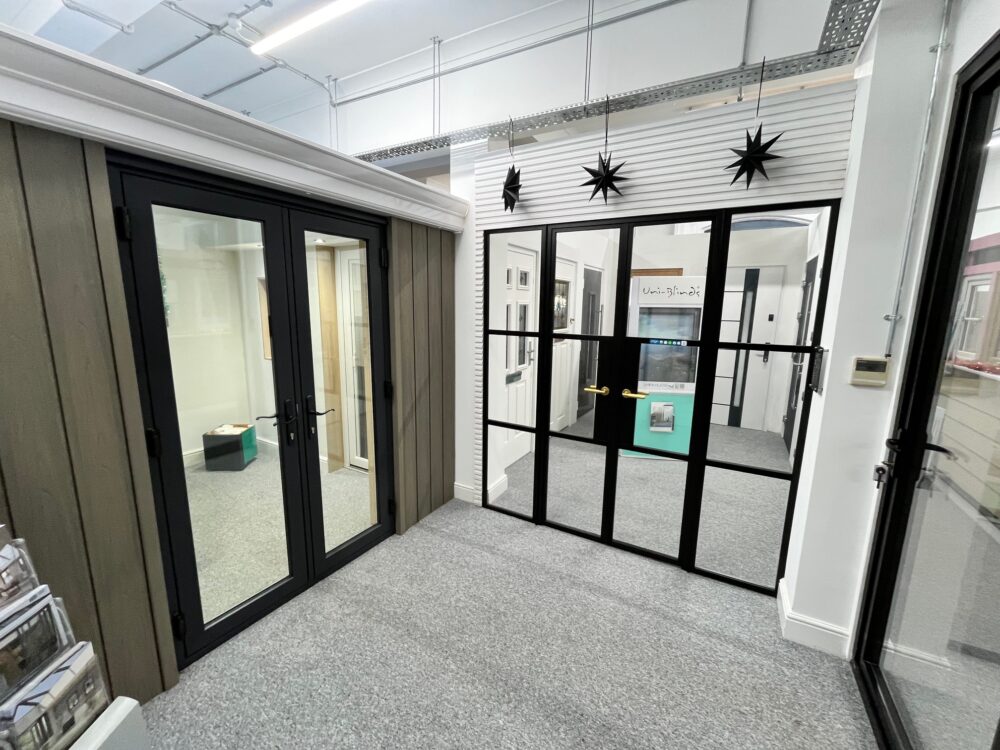

One of the biggest fears homeowners have when partitioning a room is the loss of sunlight. Permanent walls can turn a bright living area into a dark corridor.
Glazed black room dividers solve this problem effortlessly. They allow natural light to borrow from one room and spill into another. An internal room with no windows—often a hallway or a study nook—can suddenly feel bright and airy because it shares light from the adjoining south-facing living room.
Even solid black dividers (like slat walls) allow light to filter through the gaps, creating dynamic shadow play throughout the day. This keeps the atmosphere light and breezy, regardless of the physical separation.
The versatility of these dividers means they can work in almost any room. Here are three impactful ways to use them.
Working from the dining table gets old fast. A black glass partition can carve out a dedicated workspace within a larger living area. It offers sound insulation for calls and signifies a mental shift from "home mode" to "work mode." When you finish for the day, you can close the door on work, literally.
Many homes open directly into the living room, bringing cold drafts and clutter with them. A black internal screen creates a vestibule or hallway where none existed. It provides a place to pause, take off shoes, and greet guests before entering the main sanctuary of the home.
For a touch of boutique hotel luxury, consider a black framed screen between a master bedroom and an ensuite. Use reeded or frosted glass for privacy. It creates a seamless flow between the sleeping and bathing zones, making the suite feel expansive and indulgent.

Before you commit, consider these factors to ensure you pick the right style for your home.
Do you have space for a swinging door? If not, a sliding black barn door or a bi-fold system might be better. Sliding doors are excellent space savers, tucking away neatly when you want the rooms to merge completely.

Black internal room dividers are more than just a trend; they are a functional response to how we live today. They allow us to multitask within our homes without sacrificing style or light. By choosing black, you make a bold statement that defines your space, anchors your design, and adds a timeless elegance that will endure for years to come. Whether you want to hide a messy kitchen or create a quiet reading nook, a black divider might just be the architectural hero your home needs.